


Droopy eyelids affect far more than appearance. The eye area is central to non-verbal communication; when ptosis lowers the upper eyelid and limits your vision, you not only struggle with daily tasks like driving or reading, but you also lose part of your natural expressiveness.
Finding an experienced Chicago ptosis repair surgeon is the first step in restoring both clarity and confidence. Dr. Ahmad evaluates each patient individually, studies how the eyelids and forehead muscles are working together, and explains whether your case qualifies for ptosis surgery covered by insurance. His process is always rooted in honesty, trust, and careful evaluation of what is truly causing your drooping eyelids, whether muscle weakness or excess tissue, so you clearly understand what insurance will cover and what it will not.
Is Ptosis Surgery Covered by Insurance?

Yes, only when testing confirms true ptosis caused by muscle weakness for coverage.
Insurance companies will cover ptosis surgery when the upper lid droops from a weak or stretched levator muscle, the muscle that lifts the eyelid. Approval depends on proving that weakness limits vision or gets in the way of normal daily tasks.
Insurance will not cover eyelid drooping caused by excess skin, fat, or a low brow. These issues, including dermatochalasis (extra upper eyelid skin), brow ptosis (heavy or low eyebrows), and under-eye fat pockets, are considered cosmetic and remain the patient’s financial responsibility here.
Insurance typically covers ptosis repair when:
- Visual field testing shows impairment: Your superior or peripheral vision is measurably blocked by a drooping upper eyelid.
- Daily activities are affected: Driving, reading, computer work, or routine tasks become difficult due to obstruction.
- Medical documentation confirms necessity: Physician notes show that excess skin, a weak levator muscle, compensatory forehead strain, or related functional problems.
- Conservative treatments have failed: When applicable, non-surgical approaches have not improved the obstruction.
Insurance approval requires complete documentation from your oculoplastic surgeon. The visual field test does more than measure obstruction; it shows how hard your eye and forehead have been working to compensate. This helps your insurer understand your symptoms and estimate your ptosis surgery cost with insurance.
When Ptosis Surgery Is Medical vs. Cosmetic
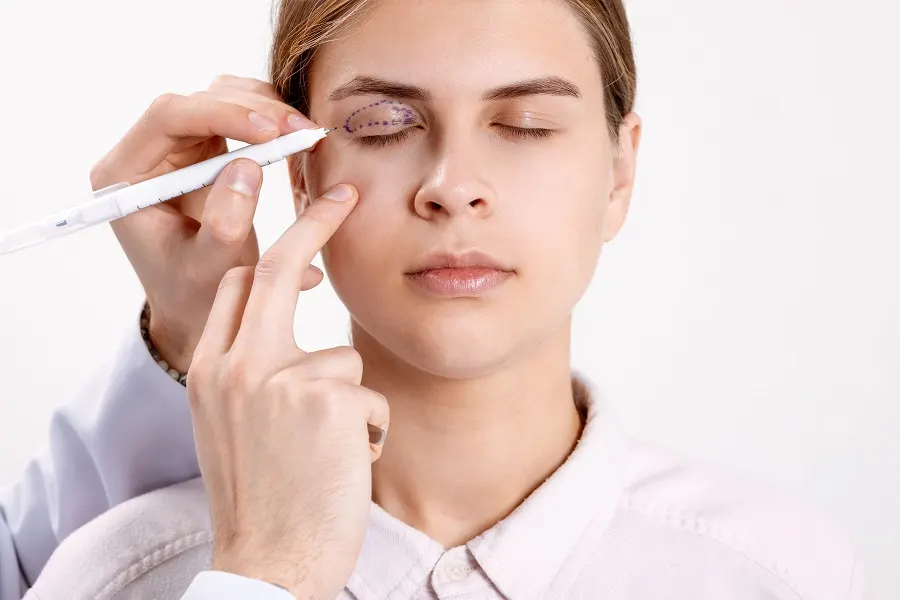
The distinction between functional and cosmetic eyelid surgery determines whether insurance will cover the procedure. The deciding factor is identifying the true cause of the drooping eyelid: muscle weakness that is medical, or excess tissue that is cosmetic.
Medical Ptosis Surgery
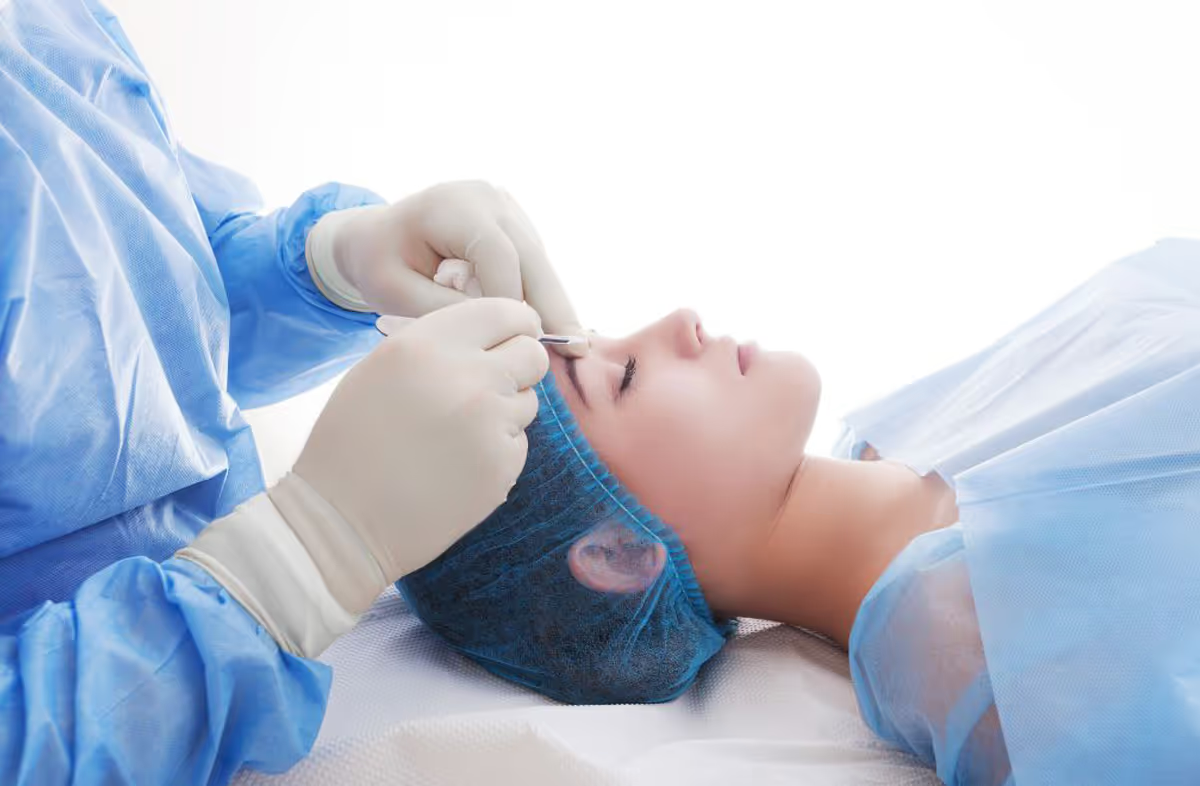
Ptosis repair becomes medically necessary when the upper eyelid blocks vision because the levator muscle has weakened or stretched and can no longer raise the eyelid to a functional position. Younger patients may compensate with different muscles, while older patients often struggle with both weakened muscles and excess skin. Congenital ptosis in children requires early correction because prolonged obstruction can affect visual development.
An oculoplastic surgeon documents how eyelid height, muscle strength, and forehead compensation affect daily life. Insurance companies require proof that the obstruction occurs naturally, not only when the brows are lifted.
Cosmetic Eyelid Surgery
Upper eyelid heaviness is considered cosmetic when drooping is caused by factors other than muscle weakness. These include:
- Excess upper eyelid skin (dermatochalasis): Loose or wrinkled skin creates a heavy, tired look even though the levator muscle works normally.
- Brow ptosis (heavy or low eyebrows): A lowered brow from aging, genetics, or tissue laxity can mimic eyelid drooping, yet this reflects brow position rather than muscle weakness and is classified as cosmetic.
- Fat pockets under the eyes: Puffiness, bags, and shadowing of the lower eyelids affect appearance only and do not meet the criteria for functional surgery.
These conditions can affect confidence and overall appearance, but they do not qualify for insurance coverage because muscle weakness is not the cause. Even when a patient is referred with a diagnosis of “ptosis”, if drooping comes from excess skin, a low brow, or fat deposits instead of levator muscle weakness, the procedure is classified as cosmetic in our office, and insurance will not cover it.
Some cases fall between categories. Blepharoplasty or ptosis repair depends on whether the eyelid tissue sags due to skin excess or levator muscle weakness. Your surgeon determines which surgical techniques address your specific condition.
Insurance denies all cosmetic procedures. If you combine functional ptosis repair with cosmetic enhancements, insurance covers the medically necessary portion only. The cosmetic addition does not affect whether ptosis surgery is covered by insurance.
Required Documentation for Insurance Approval
The insurance approval process requires specific medical records and testing. Your oculoplastic surgeon prepares all documentation needed to confirm medical necessity.
- Visual field testing measures how much the eyelid blocks your upper or peripheral vision. This map shows where vision is lost and whether the forehead is compensating to lift the eyelid. Most insurance companies require a minimum obstruction percentage before approving coverage.
- Detailed physician notes outline your symptoms, medical history, and any underlying issues like thyroid eye disease, dermatitis, or forehead strain. Photographs taken with the brows relaxed are essential because many patients lift them without realizing it.
- Pre-authorization requires submitting all test results, clinical findings, and the treatment plan. Some carriers require repeated visual field tests or multiple visits to confirm a consistent pattern of obstruction. These steps are not obstacles. They help establish medical necessity clearly.
Brow ptosis documentation may also be required, especially in older patients, where the brow naturally descends. Dr. Ahmad explains whether a brow lift or ptosis repair best corrects the functional problem.
Insurance criteria vary by carrier, so ask about requirements early. Some plans need proof that conservative treatment has failed or that specific testing thresholds are met. Knowing what your insurer expects helps prevent delays and also answers a common patient question: does insurance cover ptosis surgery?
Ptosis Surgery Cost with Insurance

When insurance covers ptosis surgery, your cost usually comes down to your deductible, copay, and coinsurance. These out-of-pocket expenses depend on your plan details and whether your annual deductible has been met, which often shapes the final ptosis surgery cost with insurance. Dr. Ahmad makes sure patients understand these parts clearly because a good plan always begins with transparency and trust.
What Insurance Pays
Most insurance companies pay for the surgical facility fee, anesthesia, surgeon’s fee, and follow-up care when ptosis surgery is medically necessary. Pre-authorization outlines what your plan covers and helps you understand your portion before scheduling.
The typical cost for ptosis correction ranges from $3,000 to $8,000 per eye without insurance. When ptosis surgery is approved for true levator muscle weakness, many patients pay $500 to $2,000, depending on their deductible and coinsurance. Some plans approve treatment for one eye only if that eyelid creates significant vision loss, which still qualifies as ptosis surgery covered by insurance when medical criteria are met. Dr. Ahmad reviews both eyelids carefully, since some patients compensate with forehead muscles and do not realize one eye works harder than the other.
Coverage Limitations
Insurance companies do not cover any cosmetic portions of eyelid surgery. This includes excess skin removal or fat reduction done strictly for appearance. If you have true ptosis caused by muscle weakness along with heavy eyelids from excess skin, insurance pays only for the muscle repair. Cosmetic skin removal is a separate, out-of-pocket expense.
Lower eyelid surgery is almost always considered cosmetic unless reconstruction is required after trauma or disease. Procedures that lift heavy or low eyebrows fall under cosmetic surgery and do not qualify for insurance coverage.
Some plans require you to see in-network plastic surgeons or oculoplastic surgeons. Going out of network raises total costs quickly. Review your plan’s rules before consultations. A health savings account can also help manage deductibles and copays for approved procedures when you are trying to confirm if your insurance covers ptosis surgery.
Qualifying for Droopy Eyelid Surgery Coverage
Insurance approval for ptosis surgery begins with medical necessity. The first step is confirming that eyelid drooping is caused by muscle weakness rather than skin or fat. A comprehensive evaluation with an oculoplastic surgeon determines whether your eyelid position meets the criteria insurers rely on.
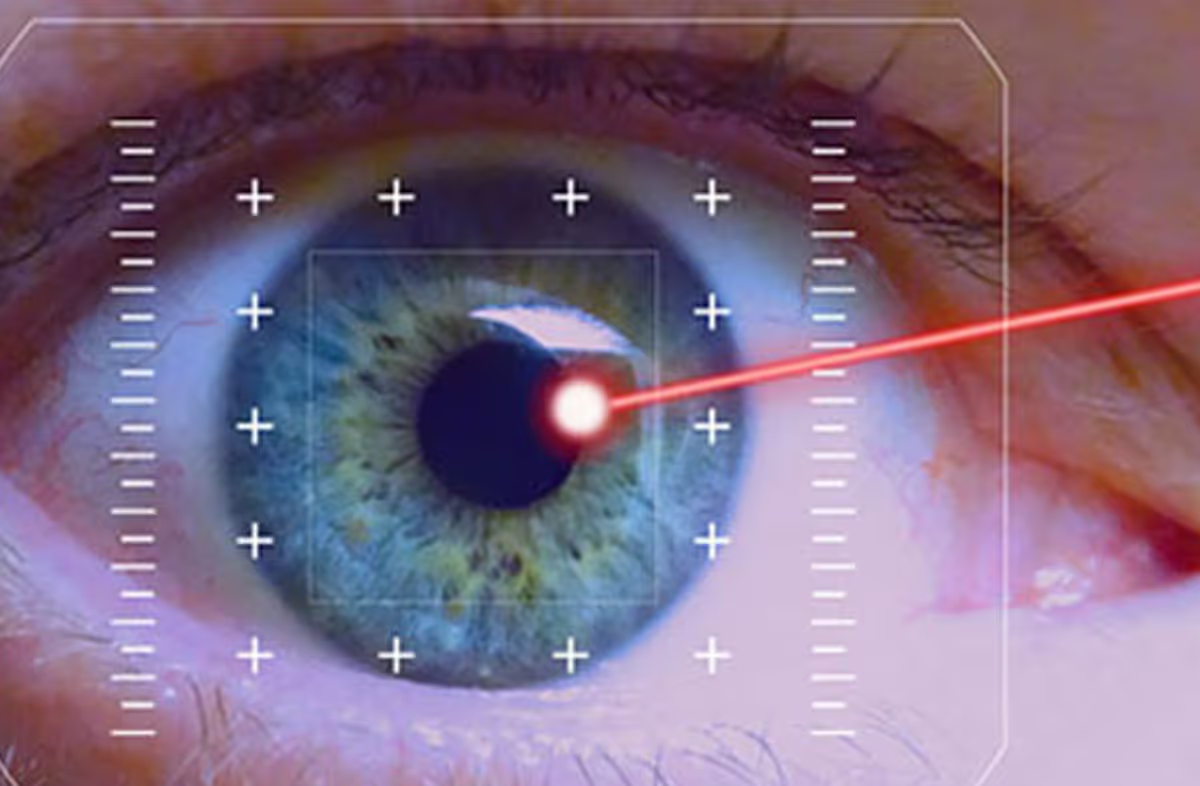
Your doctor performs visual field testing to measure how much drooping eyelids or weakened eyelid muscles limit your peripheral vision. The test must show measurable obstruction. Insurance companies usually require the upper eyelid to block a defined portion of your visual field before they will approve treatment.
Relaxed-brow photographs document natural eyelid position, allowing the surgeon and insurer to see if the issue is muscle weakness or skin excess. Conditions such as painful blepharospasm or skin irritation from excess tissue strengthen your case when you are trying to confirm if insurance will cover ptosis surgery for your situation.
The Insurance Approval Timeline

The approval process for ptosis surgery usually takes 2 to 6 weeks from initial submission to final decision. Your surgeon’s office sends all test results and medical records through pre-authorization channels. Insurance companies review the file to verify medical necessity and may request more information, which can slow the process. Staying in touch with your surgeon’s office and insurer keeps the timeline on track.
If your insurance denies coverage initially, you have the right to appeal. Denials frequently stem from documentation gaps, like insufficient photographic evidence or a lack of clarity about the specific muscle involved. Plan your surgery date only after receiving written approval to avoid paying the full cost. Most patients who meet medical necessity criteria and provide proper documentation receive approval for ptosis surgery covered by their insurance plan.
Take the First Step Toward Improved Vision
Ptosis surgery can be covered by insurance when thorough documentation shows a clear functional need. Key elements include visual field testing that demonstrates vision loss, detailed medical records, and proof that drooping eyelids interfere with daily activities.
Dr. Amjad Z. Ahmad brings specialized expertise in functional eyelid procedures that restore both vision and natural appearance. As a board-certified oculoplastic surgeon in Chicago, he navigates insurance requirements efficiently while providing exceptional patient care. Contact us today to schedule your comprehensive evaluation at our Chicago or Lisle locations.

View Before-and-After Photos of Eyelid Surgery
Explore real patient results from Dr. Ahmad’s insurance-covered ptosis repairs. These cases show how restoring natural eyelid function also restores comfort, confidence, and non-verbal expression.
Restore Function Without Sacrificing Aesthetics
When droopy eyelids interfere with daily function, insurance often pays for correction. Dr. Ahmad focuses on restoring vision while protecting natural appearance and prepares the detailed documentation your insurance carrier requires.